
Low-E Solar Control Film
A Low-E Window Film Solution for Year-Round Energy Efficiency
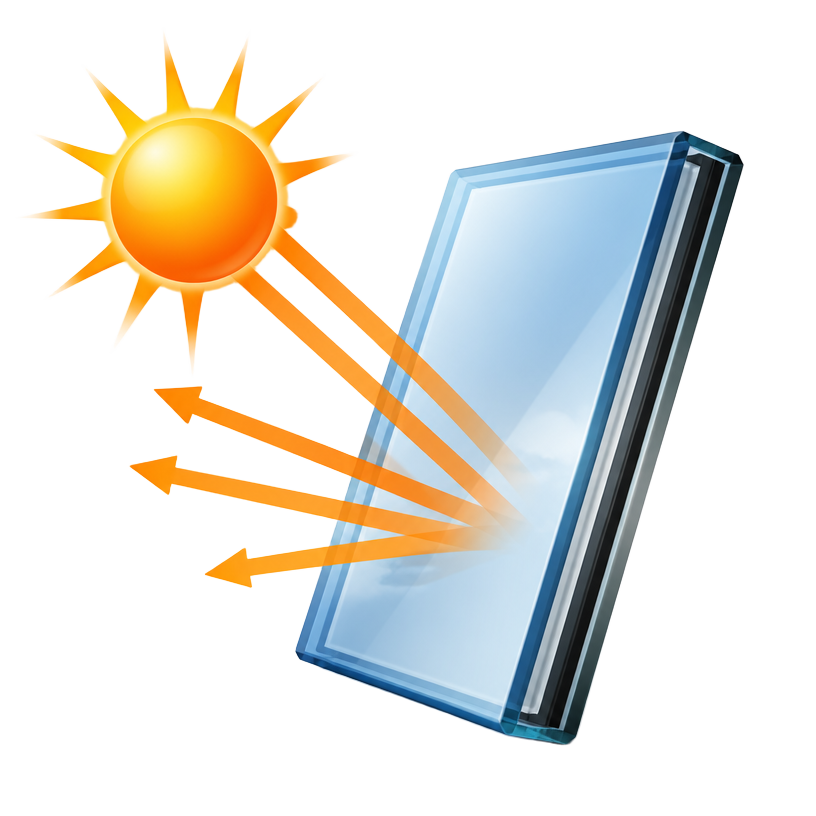
Reduces solar heat gain in summer and limits the loss of interior radiant heat in winter, helping maintain a comfortable interior year-round and improve energy efficiency.
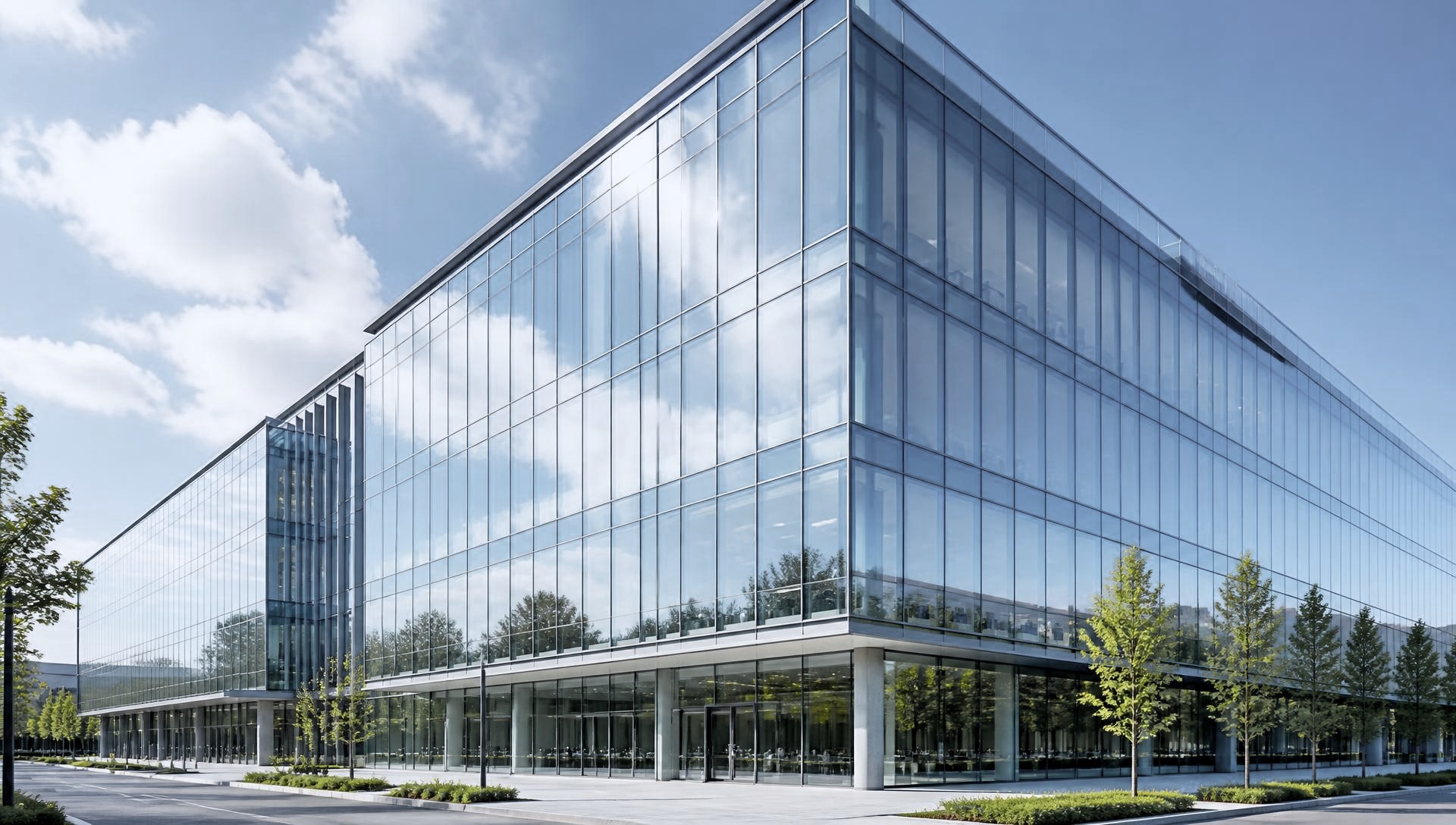
The Simplest Low-E Glass Replacement Solution
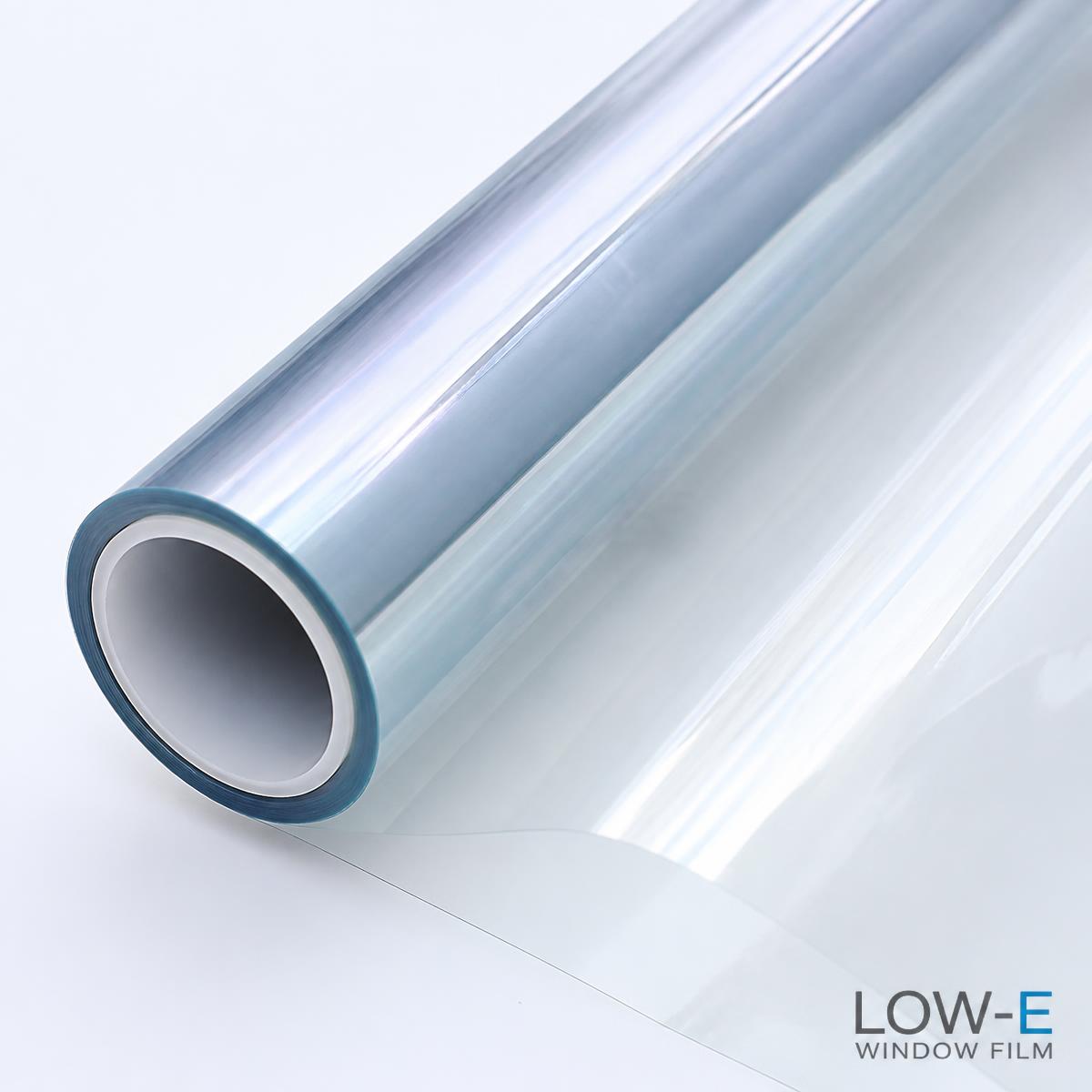
Applying Low-E film to ordinary glass achieves an effect similar to Low-E glass, while applying it to existing Low-E glass further maximizes the effect. Since windows are a major source of building energy loss, addressing them is essential.
6 Key Effects Delivered by Low-E Film

LOW-E 유리 대체 솔루션
투명유리를 고기능성 유리로 업그레이드할 수 있는 가장 간단한 방법입니다.
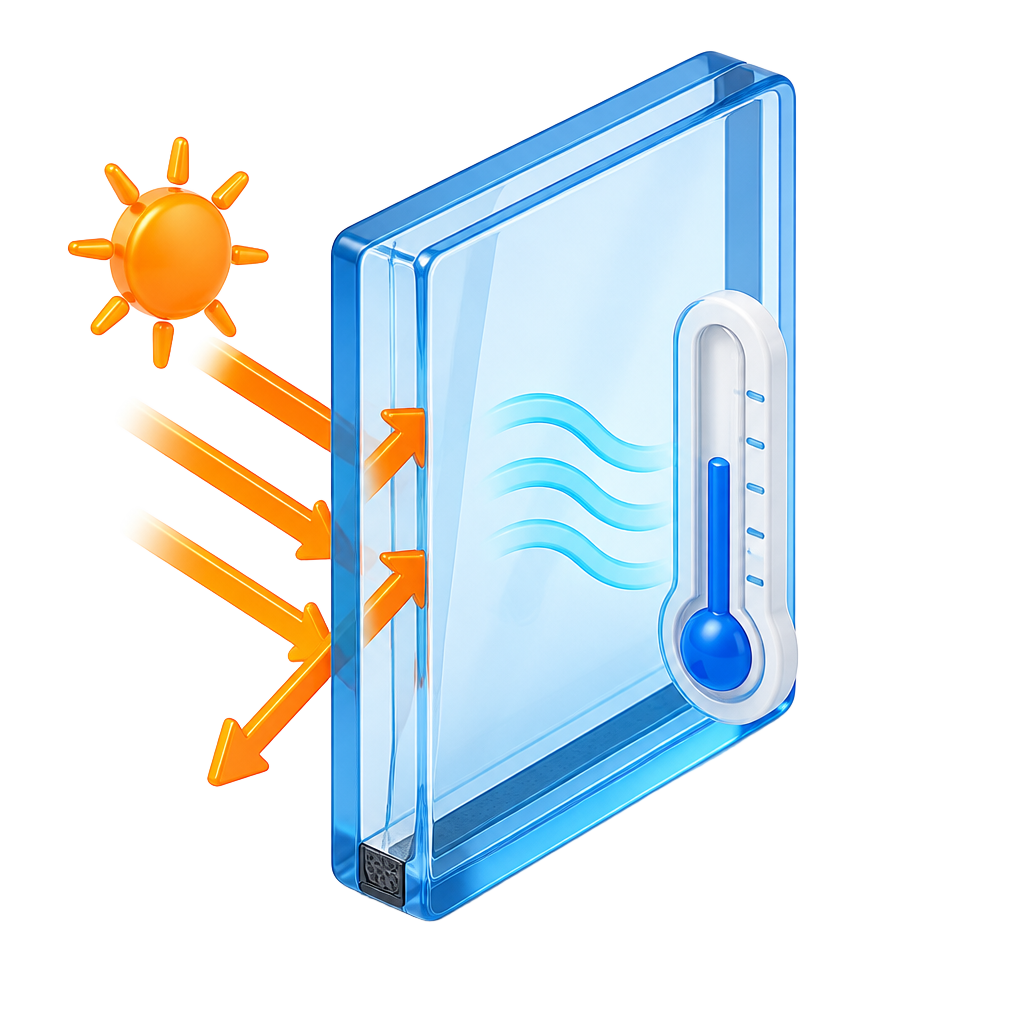
실내 원적외선 반사
로이필름의 다층·고밀도 금속박막층은 원적외선을 반사시켜 보냉·보온 효과를 얻을 수 있습니다.

높은 VLT에서의 최대치 성능
가시광선 투과율이 높은 제품에서도 고성능을 발휘할 수 있습니다.
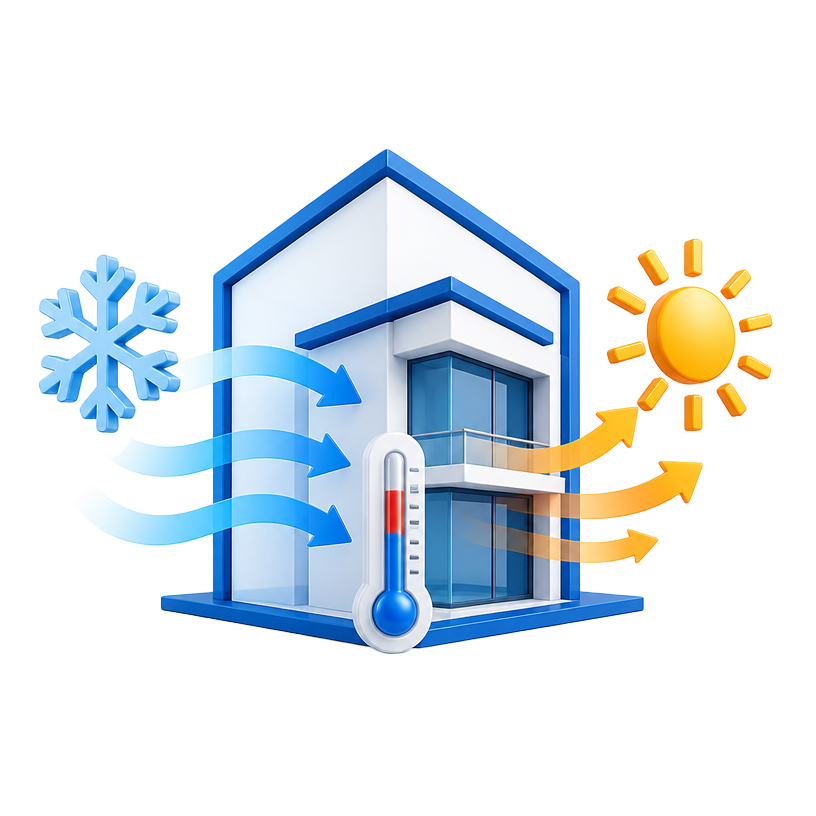
사계절 에너지 절감 실현
동절기 단열효과가 미비했던 기존 제품들과 달리 사계절 내내 건물 에너지 절감에 도움을 줍니다.

유해 전자파 차폐(EMI)
전기기기의 오작동 등에 영향을 줄 수 있는 전자파를 로이필름을 통해 차단하는 데 도움을 줍니다.
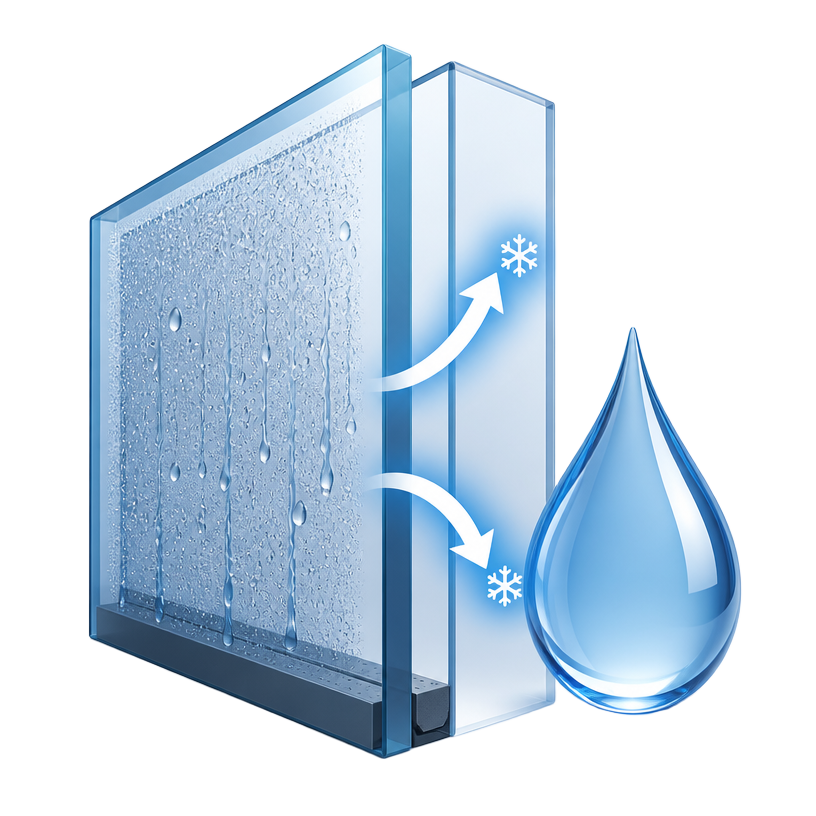
고온 표면에 따른 결로 감소
겨울철 유리 표면온도 상승을 통해 결로 감소에 효과적입니다.
Only figures verified by an official certification body can be trusted.
The insulation performance of Low-E film is verified based on official test reports from accredited testing institutions. Please review the U-value, corrected emissivity, shading coefficient, and optical performance data together.
* The figures above are based on official test reports from accredited testing institutions; actual performance may vary depending on glass specifications and installation conditions.
Added Energy Performance Without Replacing the Glass

Low-E insulation film is applied to the surface of existing glass to effectively control the transfer of solar energy and indoor radiant heat. It is an efficient window solution for improving a building's energy performance without the large-scale work of removing window frames or replacing glass.
- High-VLT Insulation & Shading Performance
Insulation and shading performance at 70%-range visible light transmittance
- Minimized Reflectance
Minimized visible light reflectance through multi-layer thin-film technology
- Condensation Control
Condensation control performance from an approximate 3°C rise in glass surface temperature
- EMI Shielding
EMI shielding performance across a broad frequency range

Low-E Film Performance Data Comparison
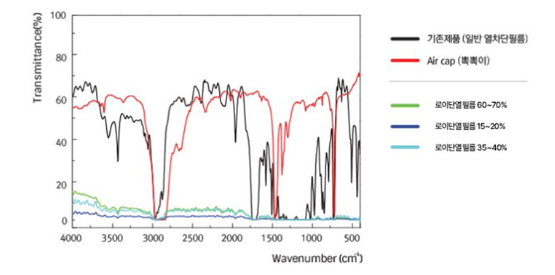
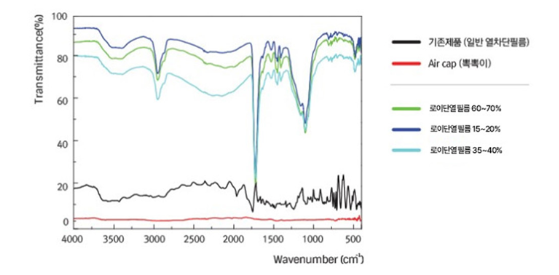
The seasonal energy-saving principle of Low-E film can be verified through the transmission and reflection characteristics of solar radiant energy and indoor heating heat.
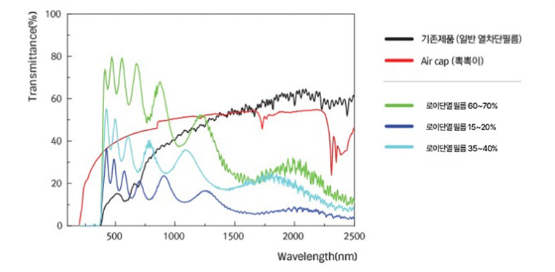
Summer · Solar Radiant Energy Comparison
Compare summer heat-blocking performance across products via graphs of indoor transmittance and outdoor reflectance of solar radiant energy (near-infrared wavelength range).
Compared to standard solar control film and other comparison products, Low-E insulation film reduces the solar heat entering the interior and increases the share of solar heat reflected outward, effectively improving summer cooling load.
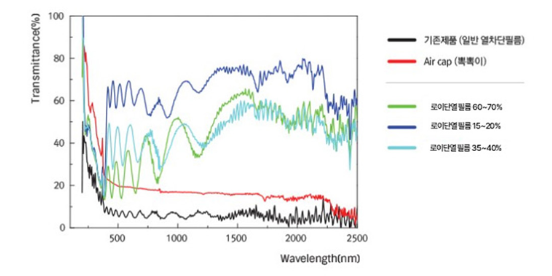
Winter · Indoor Heating Energy Comparison
Verify winter insulation performance through graphs comparing transmittance and reflectance of indoor heating heat (far-infrared wavelength range) across products.
Compared to standard and other comparison products, Low-E insulation film reduces indoor heating heat lost to the outside and reflects it back indoors, helping improve winter heating load.
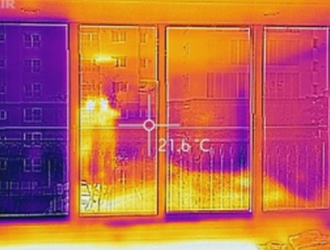
Before & After Effect Comparison of Low-E Film Installation
Low-E film blocks cold air entering the interior through windows in winter and prevents indoor heating energy from escaping through the windows.
To effectively improve cooling and heating load and save building energy, it is necessary to prevent heating and cooling energy used indoors from being lost to the outside, and Low-E film is a unique heat-reflective product for this purpose.
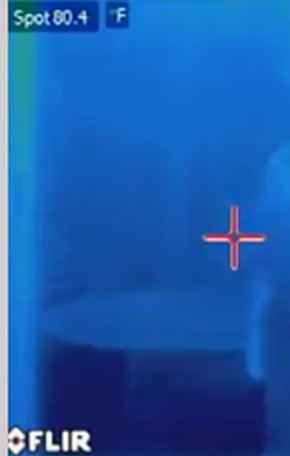
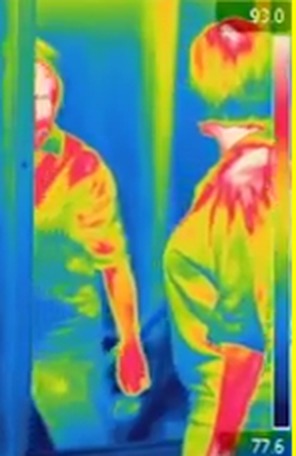
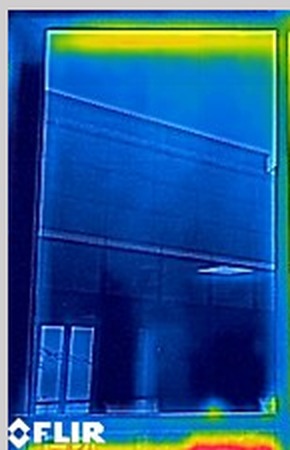
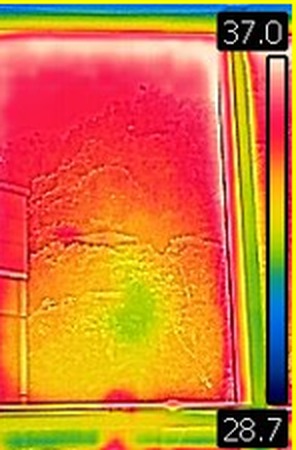
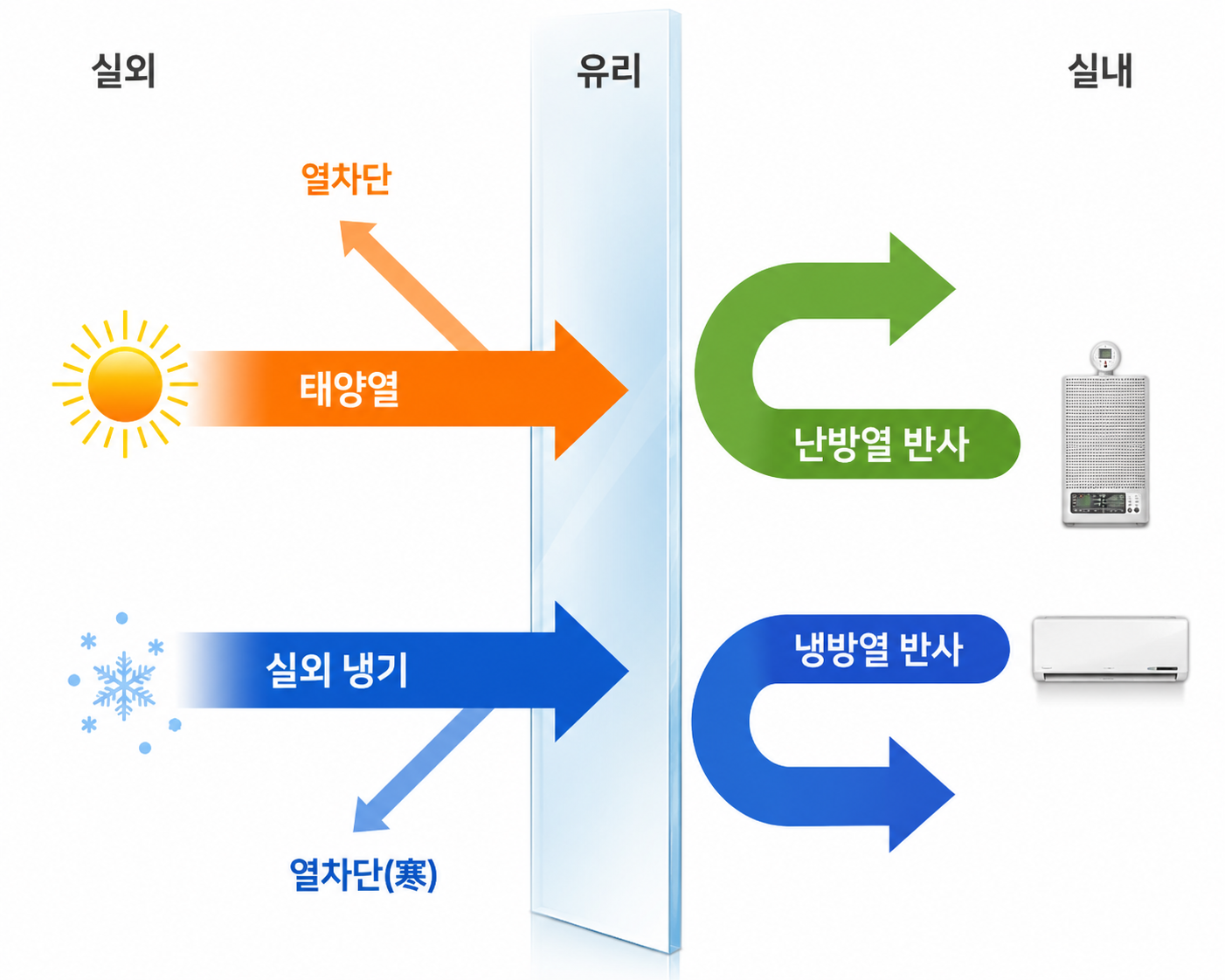
In summer, it blocks exterior solar heat and re-reflects indoor cooling heat back into the room; in winter, it re-reflects indoor heating energy back into the room. Rather than simply blocking heat, it re-reflects heat in the needed direction to reduce indoor energy loss.
* Re-reflects indoor heating energy back indoors, boosting winter insulation performance
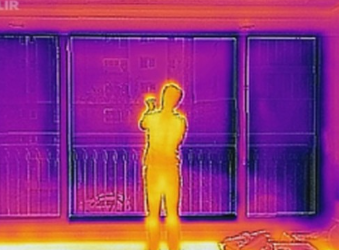
Every building and every glass has different conditions.
We propose the right window film solution based on glass type, window orientation, architectural environment, and required energy performance.